Many law firms begin a website or logo redesign hoping for transformation—only to end up with projects that stall, frustrate, or miss the mark. Why? Because they dive into design without first establishing a clear strategy.
In Part 1 of this series, we introduced the “strategy-first approach”—a method that aligns stakeholders around a shared vision and lays the groundwork for a smoother, more successful design process.
In this follow-up (Part 2), we reveal what a modern design process actually looks like. Hint: it doesn’t involve presenting three finished mockups and asking you to choose one.
Instead, today’s best design processes are collaborative and iterative—like a guided journey that an agency and its client take together. Along the way, firms are invited to weigh in at a series of checkpoints, shaping the work as it evolves. The result? A final design that doesn’t feel like a surprise. It feels inevitable.
Below are the three key steps to a collaborative and iterative creative process.
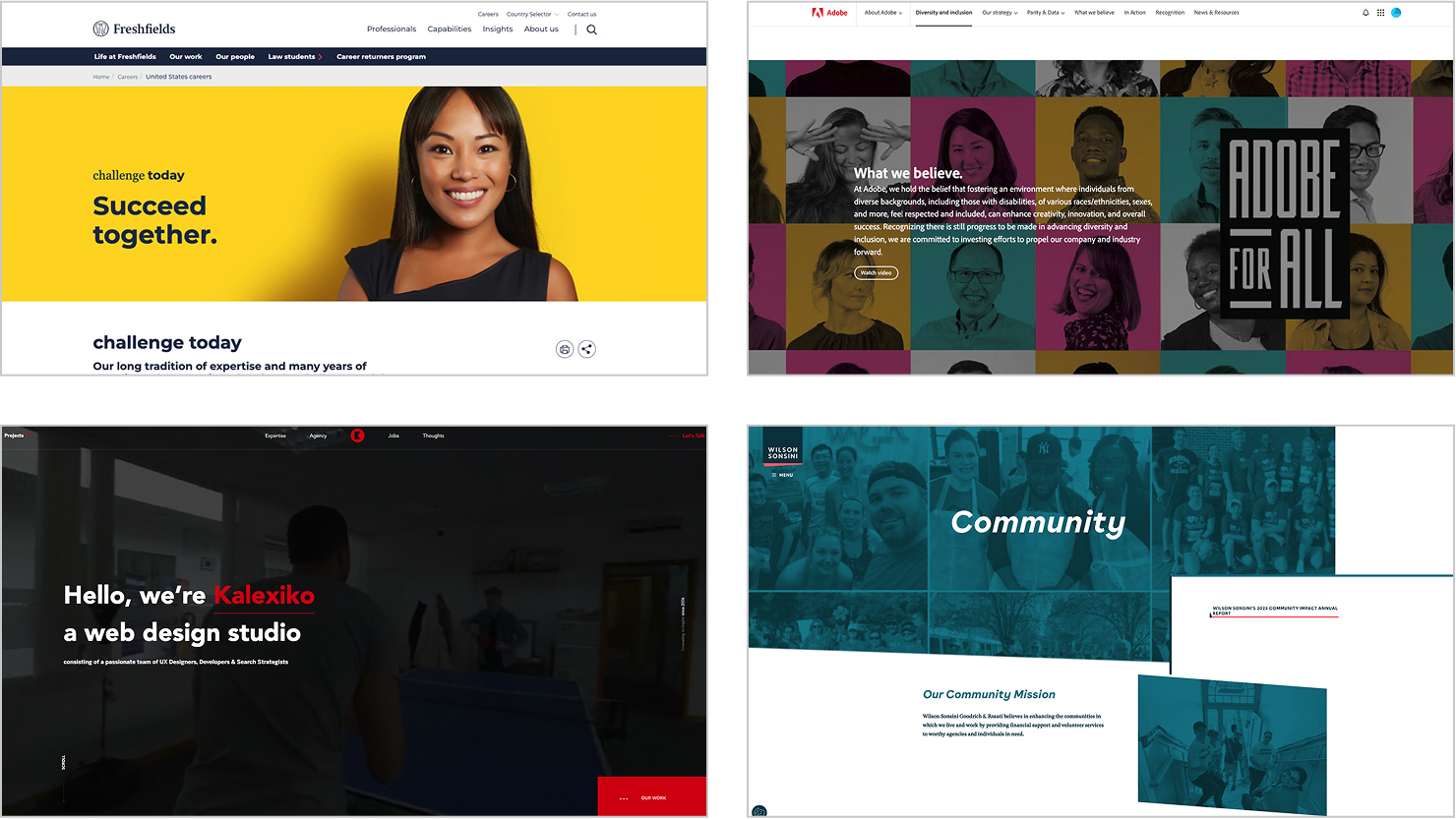
1. Creative References
Before beginning any design work, we recommend that you learn about the stakeholders’ aesthetic preferences by discussing a series of design references (from other companies). Each reference should be carefully selected to illustrate a specific design choice (color, photography, iconography, etc.). Some references will get a positive reaction, while others will be dismissed. Either response is fine, as long as it’s part of a productive discussion.
Creative references also allow you to educate stakeholders on modern design trends, which can sometimes move a project in unexpected directions. For example, the color chartreuse is probably a non-starter for most law firms. However, that can change if you show an example of a respected organization (e.g., Hogan Lovells) using it well.
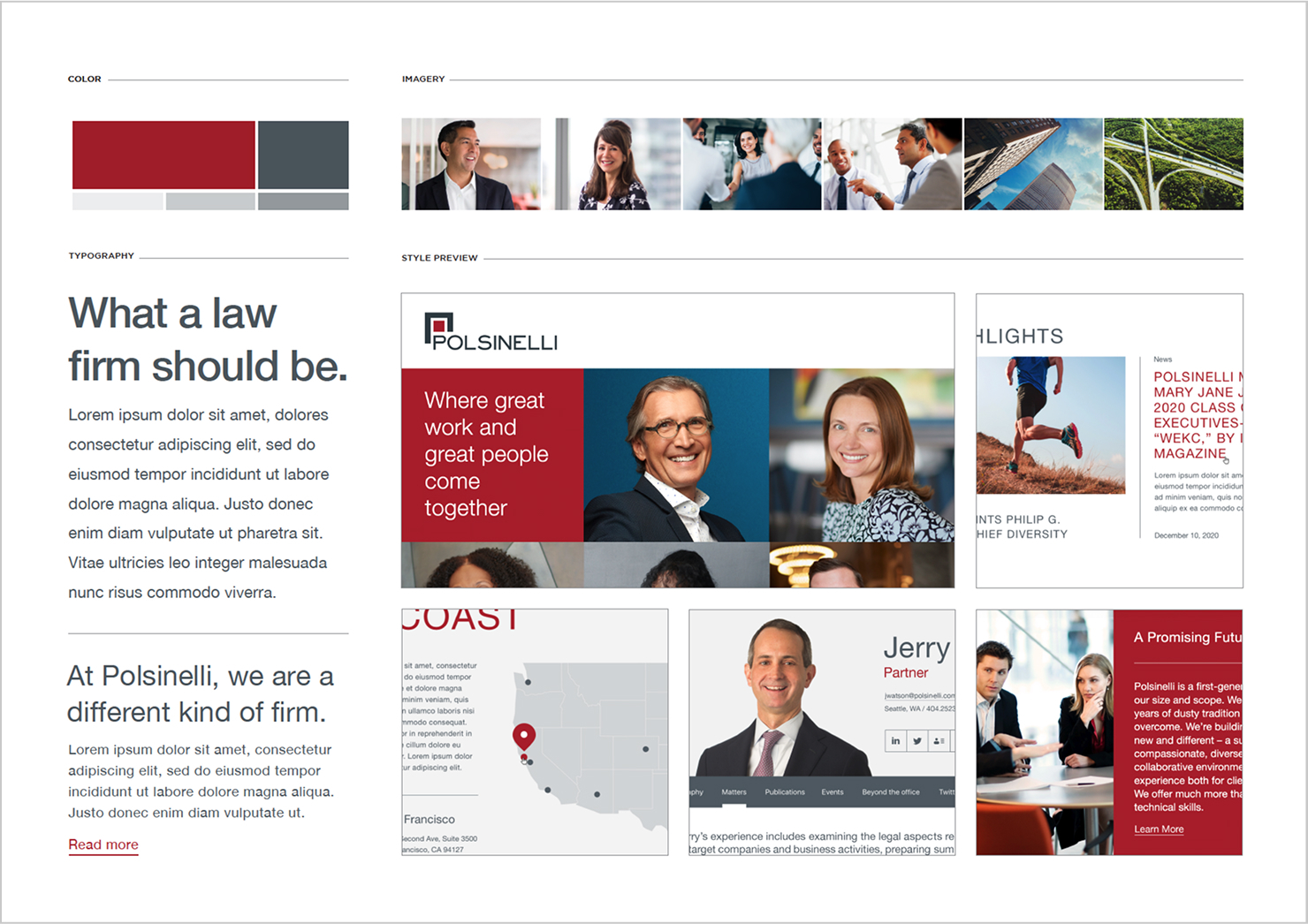
2. Moodboard
Before diving into Concept Designs, we introduce an important intermediate step: the moodboard.
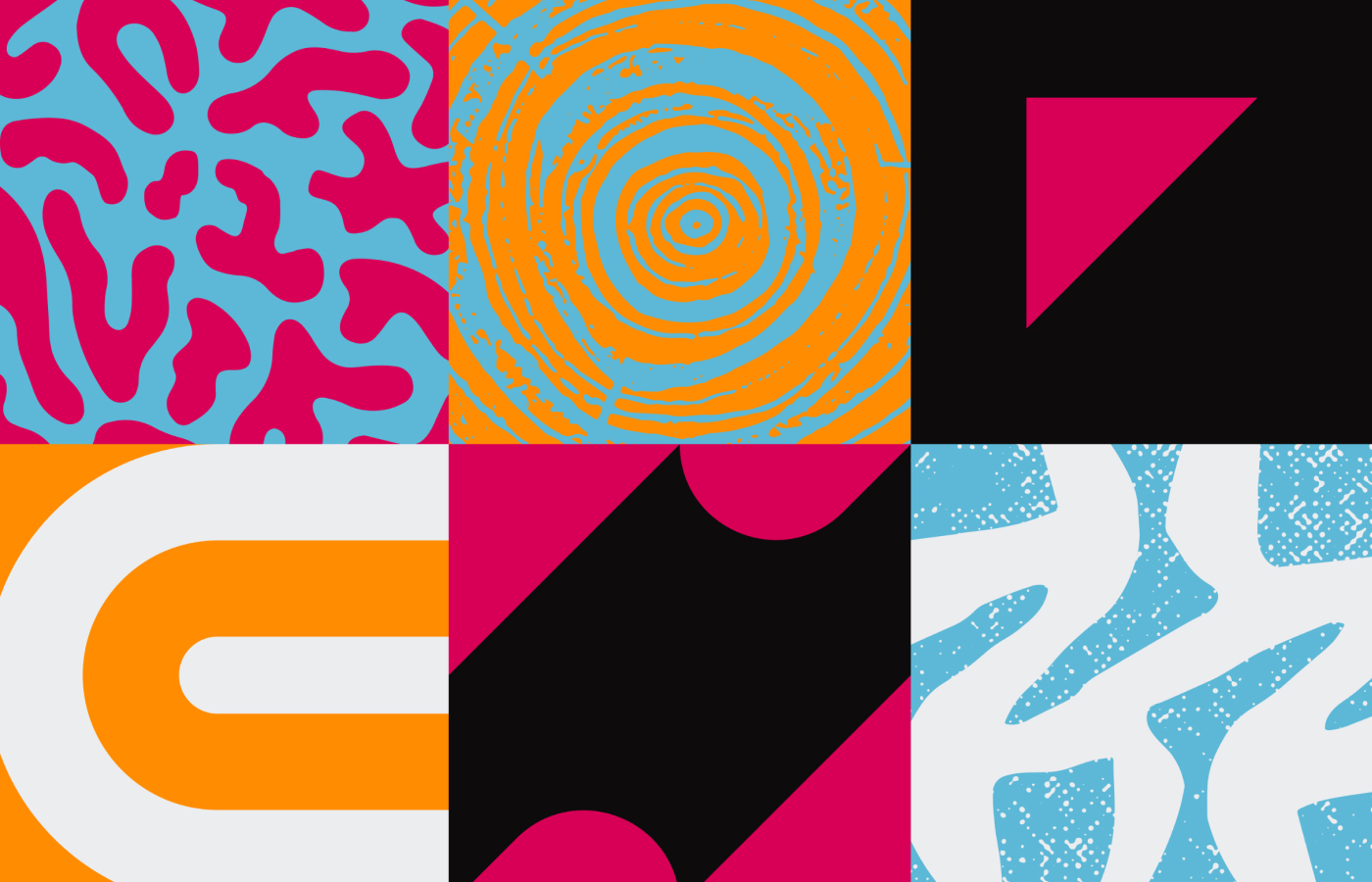
A moodboard is a curated collage of visual elements—colors, typography, photography, and other design cues—that suggest a creative direction. Its purpose is to give stakeholders a sense of the proposed look and feel before anything is fully designed.
The moodboard is intentionally rough and unfinished. This signals to stakeholders that what they’re seeing is early-stage—open to input, not set in stone. If something doesn’t resonate, that’s okay. The goal is to spark discussion and shape the direction together.
In addition to gathering feedback, the moodboard serves another important role: gently expanding creative horizons. Lawyers, in particular, may have traditional ideas about design. A moodboard can introduce fresh or unexpected concepts in a way that feels exploratory rather than confrontational—making it easier for new ideas to gain traction.
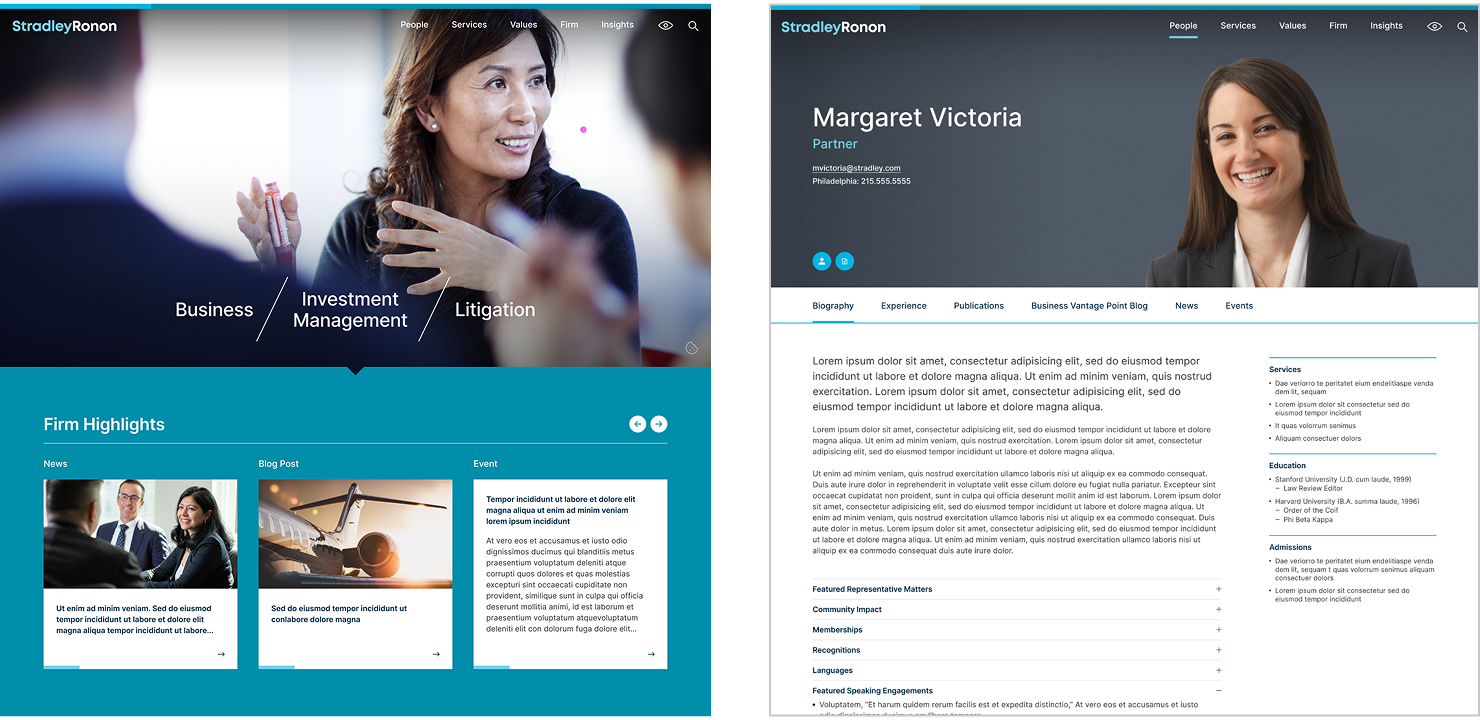
3. Concept Design
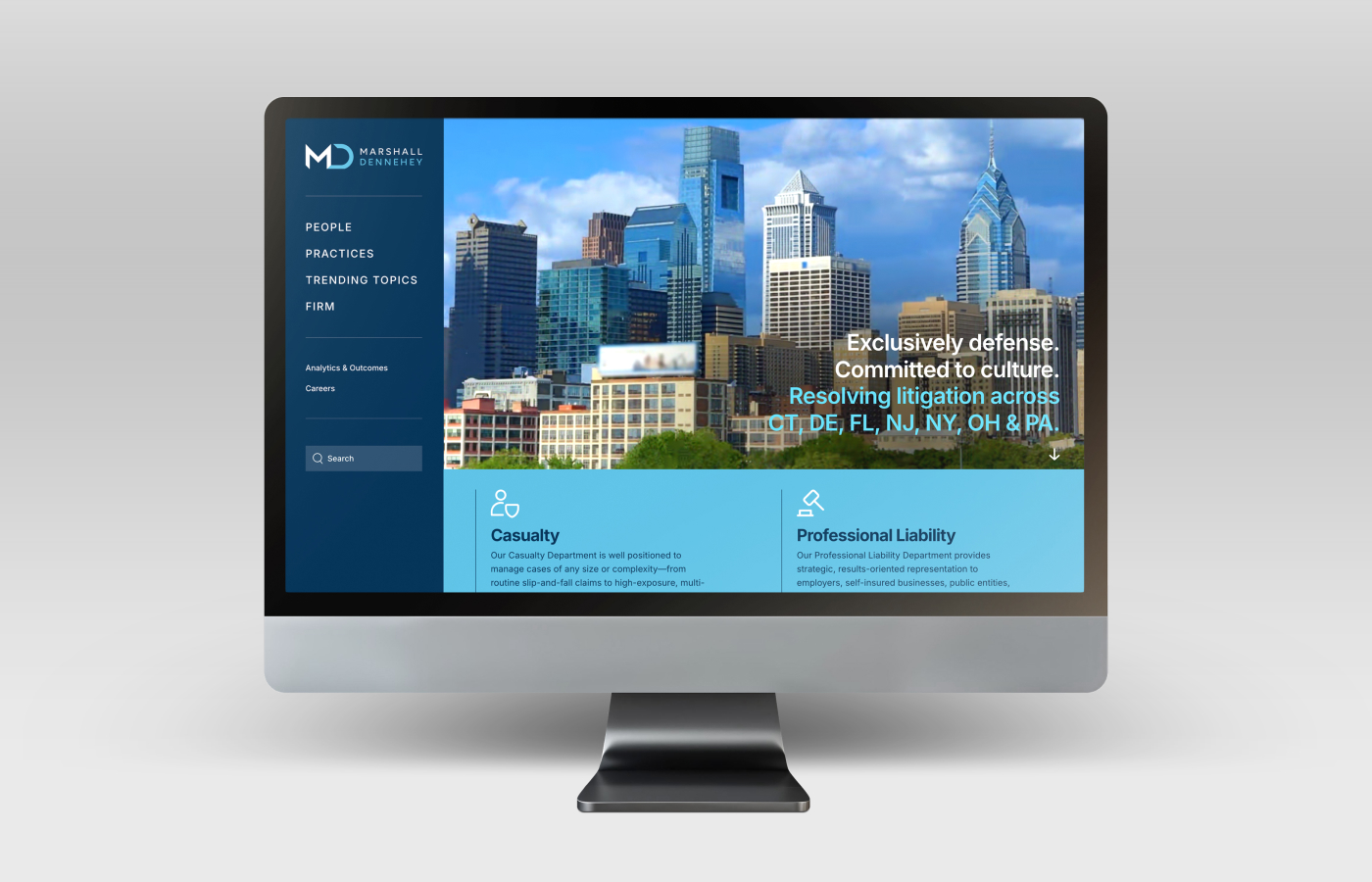
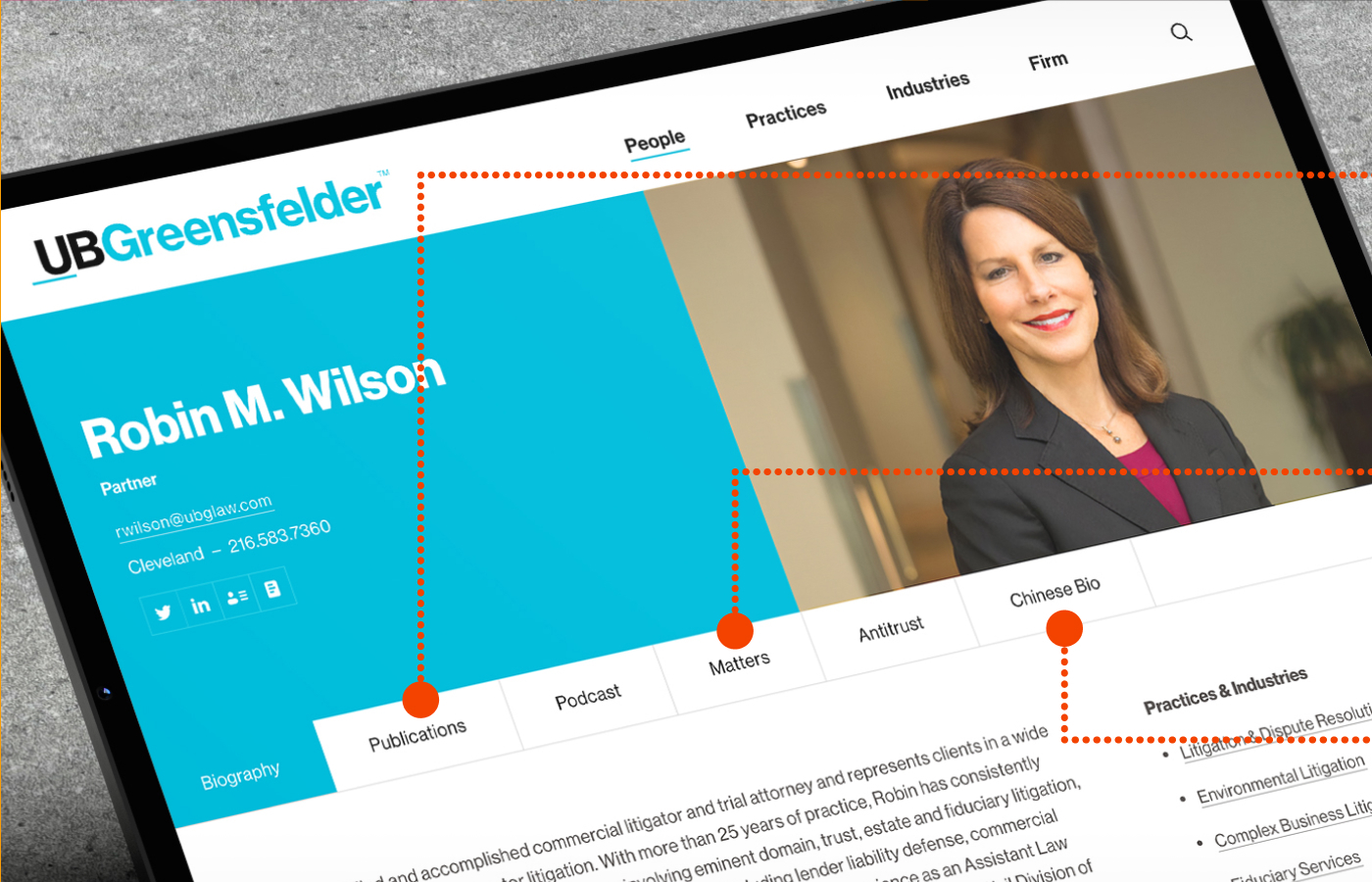
Once the moodboard is approved, we move on to developing a single design concept—directly informed by the creative direction established earlier. This concept typically includes key page types such as the homepage, an attorney bio, and one or two representative content pages.
Because stakeholders have already been engaged throughout the process—with multiple check-ins and opportunities for input—the concept presentation should never feel like a dramatic reveal.
By this stage, everyone knows what’s coming. The final design should feel natural, expected—even inevitable. And that will enable quick approvals.
Write It All Down
For law firms, it’s critical that all decisions be meticulously recorded. Why? Because it’s likely that, at some point, a senior partner (not previously involved in the project) will suddenly demand to know what’s going on.
That person will ask, “What were you thinking when that decision was made?!”
The thump of a hefty, well-prepared strategy document landing on a conference table will help assuage that person's concerns. Sufficient documentation will demonstrate that the design decisions made were not arbitrary or based on personal preferences but rather the result of a carefully considered strategy.
Conclusion
If you want to avoid a trainwreck in your law firm's next website or brand design project, it’s imperative to (a) establish clear goals from the outset, and (b) embrace a process that incorporates multiple touchpoints with stakeholders.
By doing so, you’ll be able to minimize surprises and diminish potential conflicts. Furthermore, by grounding the project in strategy, personal preferences are pushed aside in favor of objective, goal-driven decisions.
This method not only produces a cohesive, impactful design but also empowers stakeholders to feel invested in the final outcome.
About the Authors
Robert Algeri is a co-founder of Great Jakes, a strategy-first brand and website design agency that partners exclusively with growth-focused law firms. He helps firms clarify their positioning and translate it into modern digital experiences that differentiate them from competitors. Deeply involved in the legal marketing community, Robert is an active member of the Legal Marketing Association (LMA) and has served on a range of boards and committees. He also writes and speaks regularly on law firm branding, websites, and growth, including contributions to industry outlets such as the LMA’s Strategies magazine.
Dion Algeri is a co-founder and Creative Director at Great Jakes. For more than 20 years, he has helped shape modern legal marketing by translating a deep understanding of the legal marketplace into sophisticated digital experiences for law firms. He writes and speaks frequently on legal marketing, including contributions to the American Bar Association’s Law Practice magazine. Dion also serves as editor of the Great Jakes blog, where he shares practical insights on law firm branding and websites.