This article was originally published in the ABA Law Practice Magazine.
Here’s an eternal truth about marketing: the narrower your positioning, the easier it is to market your firm.
Legal marketing is no exception to this rule. Let’s take Quinn Emanuel as an example. Their homepage headline reads, “A global force in business litigation.” This message is extremely narrow and highly effective. It’s marketing gold.
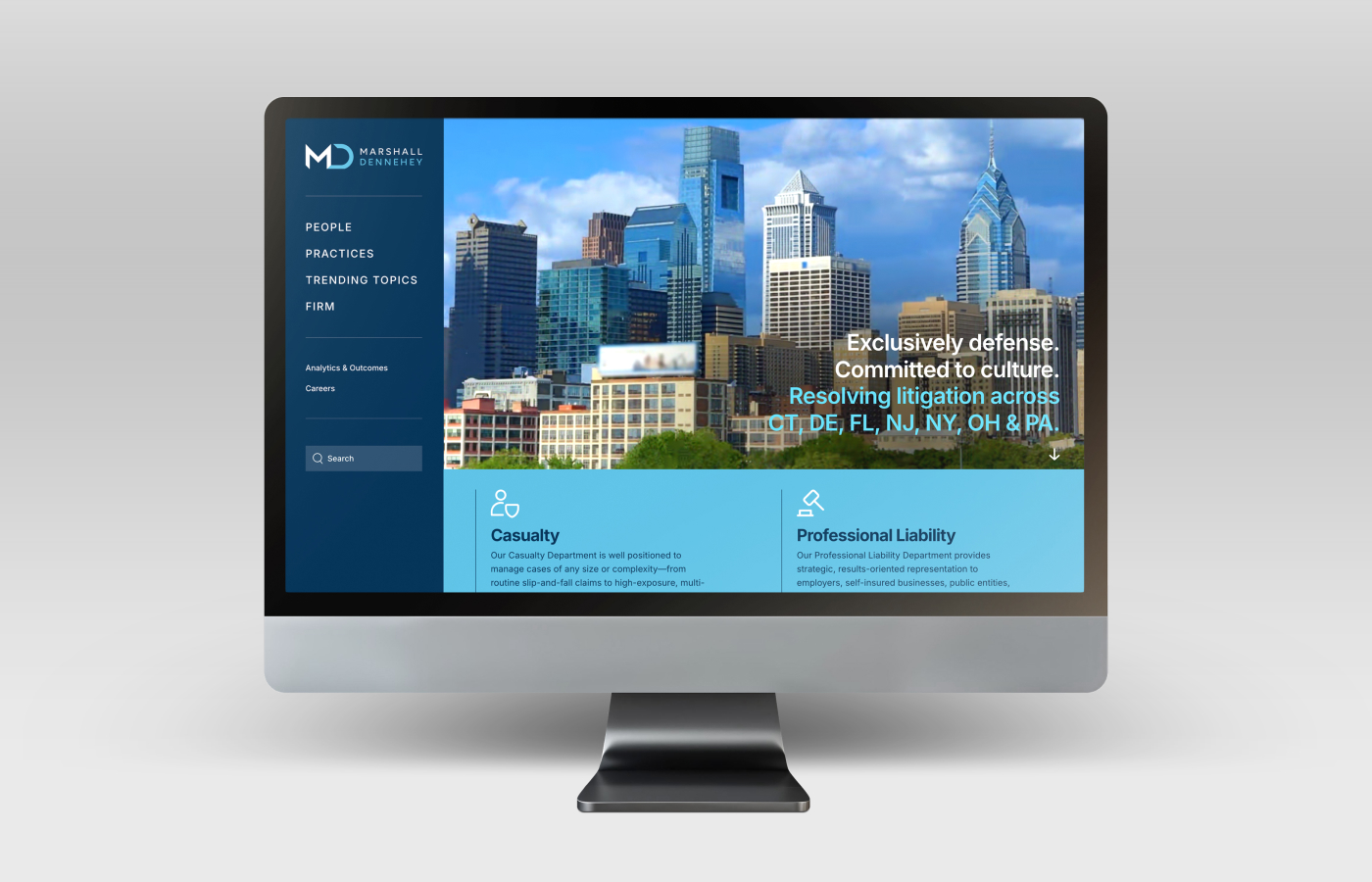
Most law firms are too broad to write such an impactful headline. A typical firm sells dozens of different services to clients in a variety of industries. With so many constituencies to please, most firmwide marketing messages get watered down to the point of becoming meaningless.
So, what’s a law firm to do? The answer: bring narrow positioning to individual lawyers. Then, focus your efforts on building their website bios to communicate their niche expertise clearly.

The Benefits of a Narrow Focus
A lawyer has truly niche positioning if they can say, in one sentence, “We offer X service to Y organizations.” Once you’ve narrowed your world in that way, you unlock tons of benefits, including
- Clearer Messaging. Narrow positioning allows you to aim your marketing message at a specific audience, making it more compelling than a broad message to everyone.
- Wider Geographic Reach / Better Margins. People are willing to go outside of their geographic area for a service provider who meets their exact needs. And when people are willing to travel, it also means they are willing to pay more.
- Word of Mouth. Referrals flow more easily to lawyers with narrow positioning. As a result, well-positioned lawyers spend less time and money on marketing.
- Brand Authority. Clients are more likely to trust lawyers who demonstrate deep expertise in solving their specific problems.
- Delivering More Value. Focusing on a specific market or type of service allows lawyers to walk into any engagement with solutions in hand. This makes for easier sales and happier clients.
- Less Competition. A well-positioned attorney can effectively eliminate large swaths of their competition. For example, if you’re an attorney specializing in Brownfields law, it’s fair to assume that you have an advantage over other attorneys, even other environmental and land use attorneys who do not have such a narrow focus.
The Importance of Attorney Bios
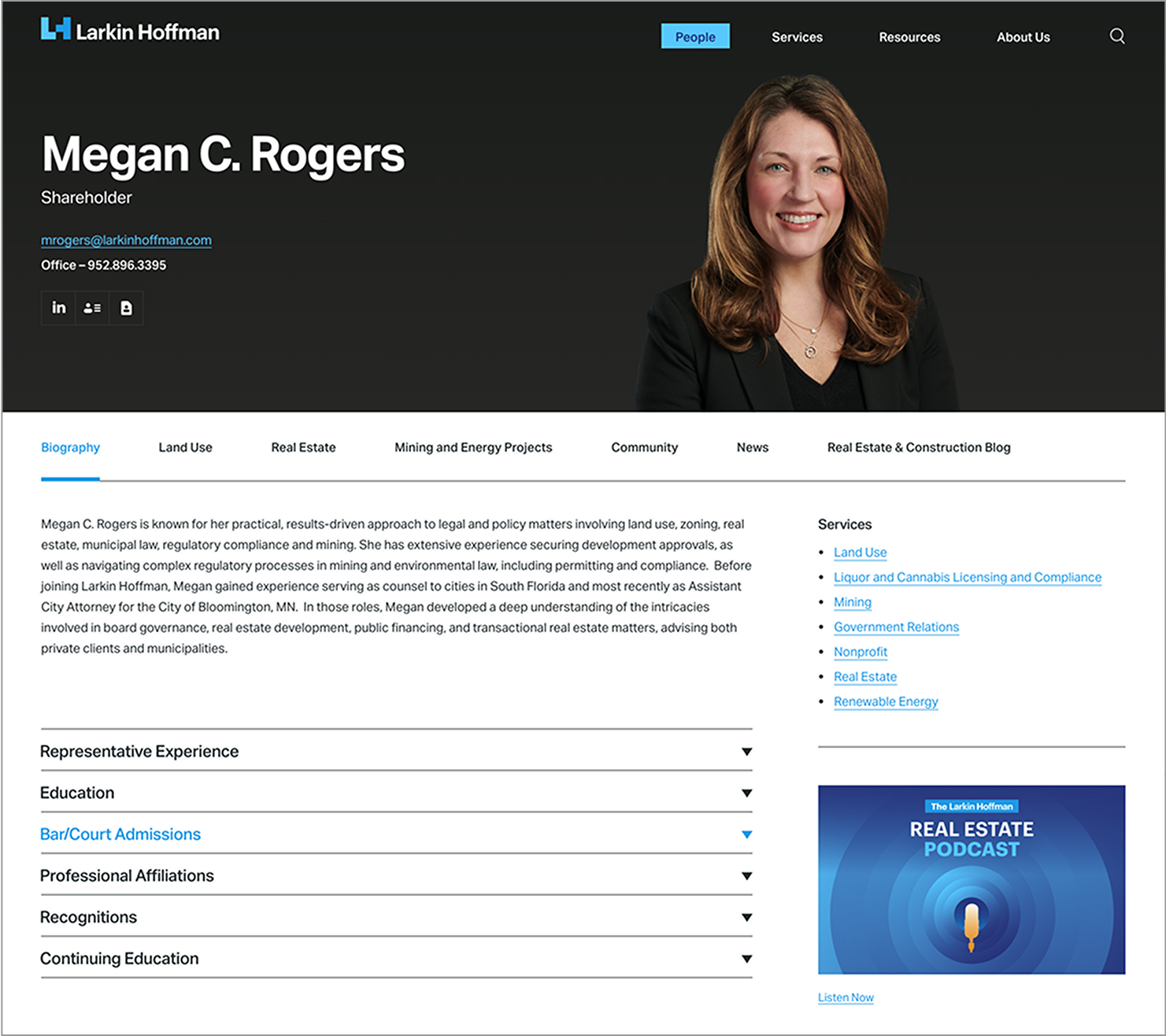
Before we delve into how to apply niche positioning to bios, it's essential to understand why we are focusing on bios. This article zeroes in on attorney bios because the bio is, without a doubt, the most important content on a law firm's website. According to a study of our clients’ websites, over 56% of all traffic on law firm websites occurs on the attorney bios. Other surveys have shown that, in some cases, the number can be even higher. In simple terms, the bios are where visitors are going. Therefore, there is no better place, other than perhaps the website’s homepage, to focus your attention as a legal marketer.
Two Key Elements of a Great Attorney Bio
Although narrow positioning is challenging for most law firms, they can still reap the benefits by applying a niche focus to attorney bios. Below are the two key elements of an effective, narrowly focused bio.
- Establish a Niche Focus. The first step is to have an attorney pick a niche. Ideally, that niche will be narrow enough so that anyone visiting their bio can understand in an instant what their expertise is, whom they do it for, and what makes them different from everyone else. Generally speaking, the narrower the better. For example:
- Weak positioning: “Corporate Lawyer for Technology Companies”
- Better positioning: “Securities Lawyer for Tech Companies Seeking an IPO”
- Best positioning: “Securities Lawyer Specializing in Reverse Mergers and SPACs
The first example is weak because “corporate law” and “technology companies” are very broad categories. No business executive will read that descriptor and instantly say, “This is the lawyer I’ve been looking for.”
On the other hand, a company looking for a lawyer to help take their company public using a non-traditional vehicle—such as a reverse merger or SPAC—will definitely want to speak to the person with the best positioning, as expressed in the last example.
One of the greatest benefits of this focused approach is the ability to command higher fees. Clients recognize the value of specialized knowledge and are often willing to invest in attorneys with proven expertise in their specific area of need.
- Substantiation. Simply claiming to be an expert in a specific area of law requires more than just a catchy headline. Clients expect evidence of expertise. Below are examples of how attorneys can improve their bios to support their claims of expertise.
- Proprietary Data. One way to distinguish your practice is to share original research that contains valuable, actionable data that clients want. For example, a report on the probability of various legal outcomes or a database that demystifies a web of overlapping state and local laws.
- Proprietary Methodology. Perhaps you’ve figured out a way to produce better results at a fraction of the customary price. Or you have a specially trained overseas back office that can deftly (and inexpensively) handle technically rigorous tasks that your competitors bill out at a much higher rate than you do.
- Compelling Thought Leadership. Articles and blog posts are a great way to substantiate your positioning. Ideally, these pieces should speak to specific experiences in the area of focus.
- Emerging Trends. Addressing big issues that are just emerging in your target market is a great way to communicate your ability to see around corners that others cannot. It also helps if your insight and advice are so novel and compelling as to clearly demonstrate your team’s formidable skills.
- Case Studies. Demonstrate your expertise by describing the type of work you’ve done and, if possible, for whom you’ve done it. Case studies become particularly valuable if you can explain your novel approach to solving a particular client’s problem.
- Testimonials and Awards. Leverage third-party endorsements to quickly communicate your firm's reputation in specific practice areas. Client testimonials and industry awards serve as powerful proof of your capabilities.
- Custom Bio Pages. Create specialized subpages within attorney bios or practices to spotlight unique skills or experiences. This technique allows you to differentiate individual attorneys and practices and highlight their specific areas of focus.
- Recent Victories. A collage of news headlines concerning legal victories not only highlights successes but enables the firm to look timely, active, and relevant.
- Integrated Blogs. Integrated blogs allow visitors to read the full text of an attorney’s blog posts without leaving their bio to go to another website. Aim for content that not only demonstrates your expertise but also provides novel insights that clearly showcase your team's capabilities.
- Content Teasers. Sidebar widgets and teasers can be used to draw attention to an attorney’s or practice’s newest and best substantiating content, which would otherwise be buried deep within the website.
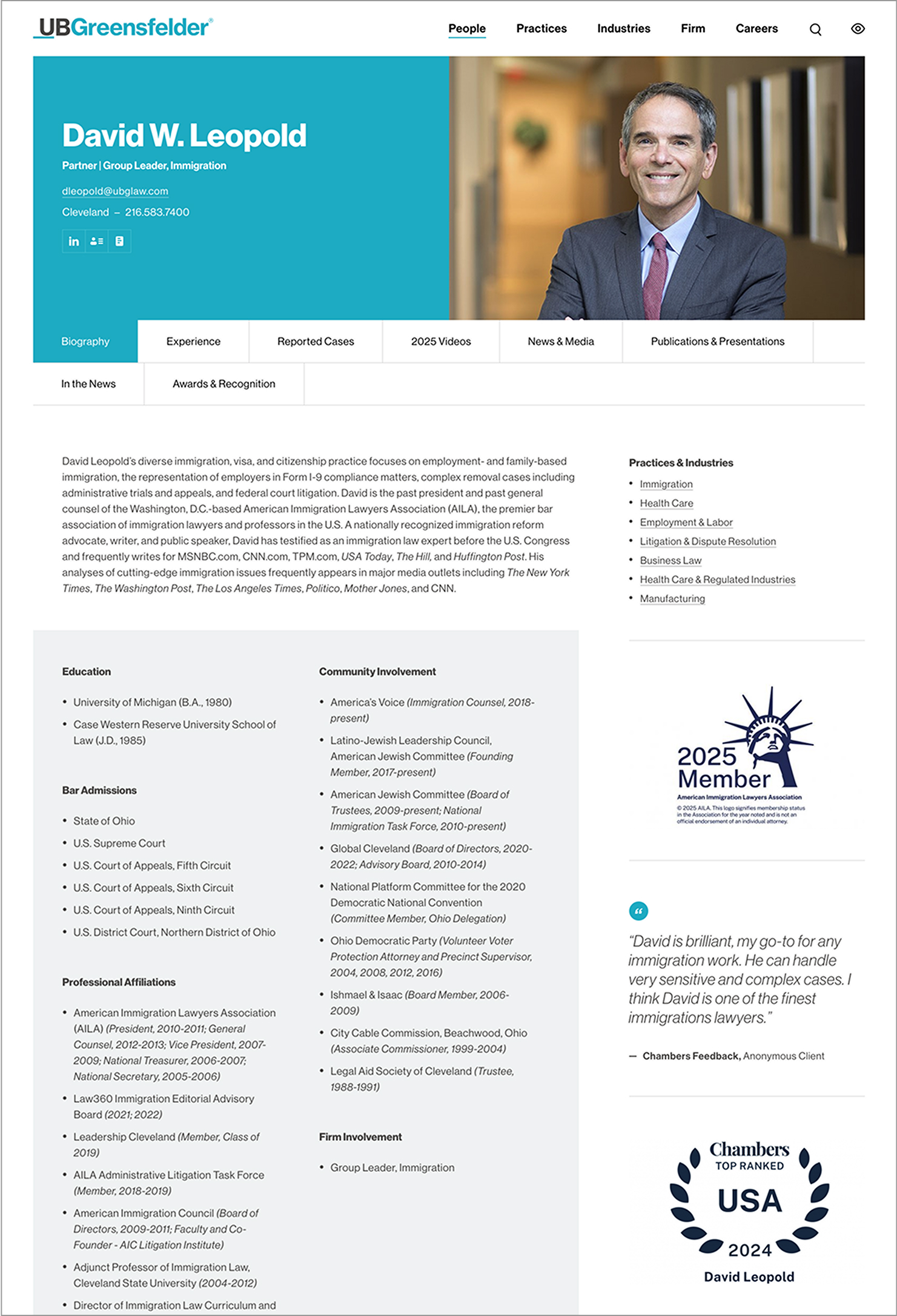
Elevating Your Attorney Bios
To successfully adopt a niche marketing strategy, attorneys must develop a significant amount of reputation-enhancing content. This content will support their claims of specialized expertise and help justify their premium billing rates.
To achieve these goals, the content must be easily accessible. The most effective way to do this is by making a lawyer's bio a complete repository for all their reputation-enhancing content. From over 20 years of experience building websites for law firms, we've learned that the more easily accessible the content is, the more likely it is to be consumed.
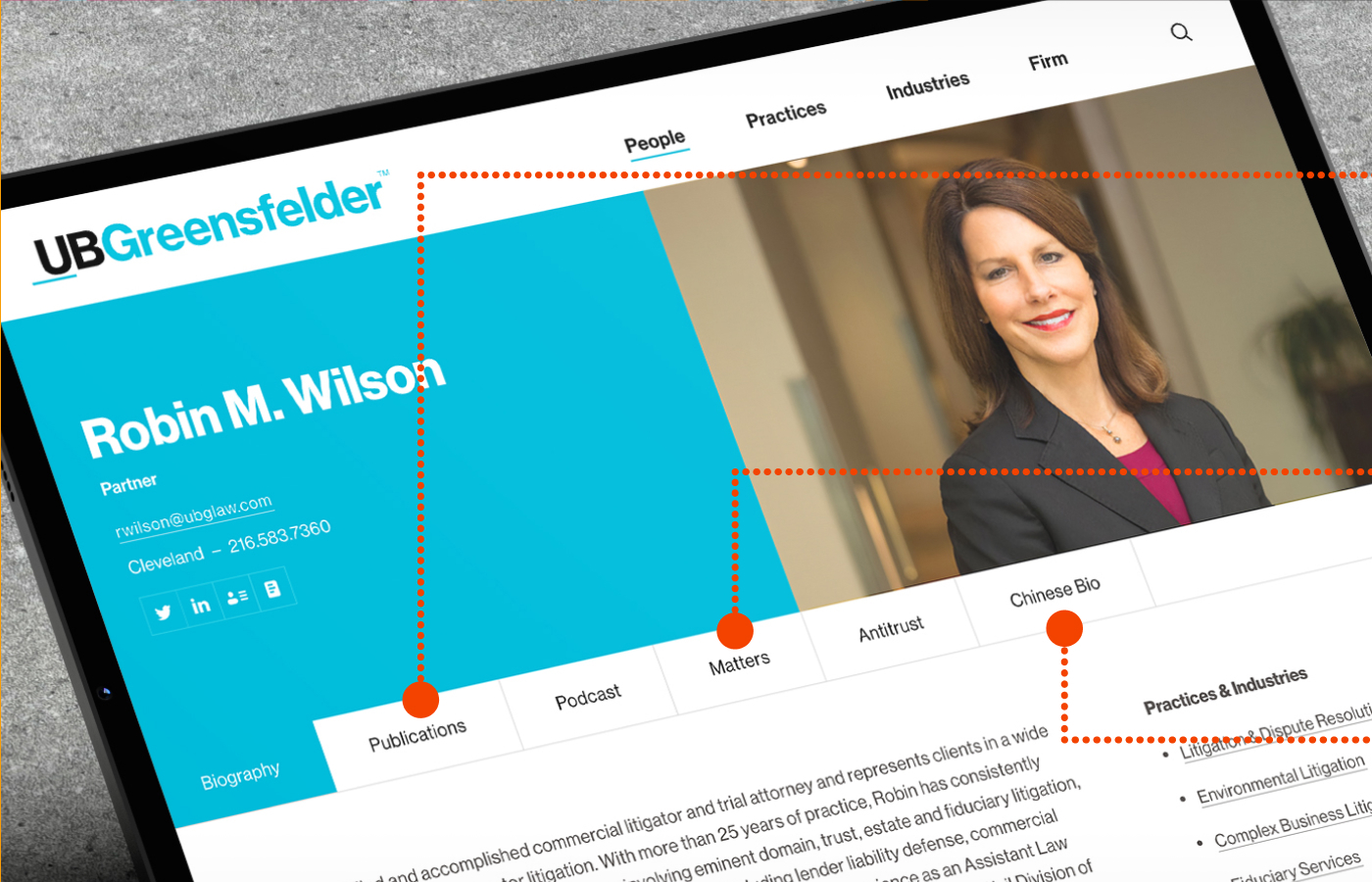
Unfortunately, most law firm bios aren't built for content marketing. Reputation-enhancing content is often stuck deep in the “Publications” or “Multimedia” sections of the website, where very few visitors want to go. Also, good content is often buried in a long, undifferentiated list because most websites don’t have a way to draw attention to the newest and best content.
Lawyer bios don’t need to work this way. They could be structured to help differentiate attorneys by elevating their content in two ways:
- Enable content to be consumed right from within an attorney’s bio. Most attorney bio pages offer a subpar user experience because they have been designed to constantly push visitors to other sections of the website.
For example, if you click a News item on an attorney’s bio, most law firm sites send you away from the bio and into the website's News section. We call this the “Ping-pong Effect” because it forces visitors to bounce around the website to read a lawyer’s content.
The most advanced law firm websites avoid the Ping-pong Effect by allowing visitors to read the full text of articles, news items, and blog posts without having to leave the bio. This encourages visitors to stay on the attorney’s bio and read additional reputation-enhancing content. This makes a lot of sense because website visitors do not like ping-ponging around a website. Keeping them on the bio or practice page makes it easier for visitors to get the information that firms need them to see in the quickest and most efficient way possible.
- Tease content from every page. Cutting-edge marketing websites are built with content teasing tools that automatically promote "related articles," as well as related events, case studies, and blog posts (among other content). The objective is to keep website visitors engaged with your content for as long as possible. The more information they consume, the better they understand the value a particular attorney can offer.
A well-designed website will include content teasers in strategic locations, such as the sidebars and bottom margins of each bio or practice area page. This is a powerful way to increase visitor engagement. That’s why content-rich sites like NYTimes.com, the Harvard Business Review, and Deloitte.com are full of "Suggested Content" teasers and "Most Viewed" lists. The benefits of advanced content teasing include- A Fresher Site. Today’s advanced content-teasing tools automatically promote the site’s newest, most relevant content. This keeps your website feeling fresh and relevant.
- Cross-selling. Your website can cross-promote content from related services such as real estate and environmental law. This can enable cross-selling by letting people know about your broad expertise.
- More Page Views. Visitors are prompted to read more of your newest and best content, which allows them to better understand how you can help them achieve their goals.
Focus, Focus, Focus
If your law firm is like most, having narrow marketing positioning for the entire firm is difficult, if not impossible. However, you can reap many of the tremendous benefits of narrow positioning by applying niche marketing concepts to individual lawyers.
Focusing on a niche allows lawyers to deliver clearer, more compelling messaging to their target clients. When this is paired with a well-structured bio that features substantiating content—and functionality enables you to highlight the attorney's expertise—the advantages are significant. Pageviews increase, and most importantly, the lawyer stands out from the competition and is well-positioned for long-term business success.
About the Authors
Robert Algeri is a co-founder of Great Jakes, a strategy-first brand and website design agency that partners exclusively with growth-focused law firms. He helps firms clarify their positioning and translate it into modern digital experiences that differentiate them from competitors. Deeply involved in the legal marketing community, Robert is an active member of the Legal Marketing Association (LMA) and has served on a range of boards and committees. He also writes and speaks regularly on law firm branding, websites, and growth, including contributions to industry outlets such as the LMA’s Strategies magazine.
Dion Algeri is a co-founder and Creative Director at Great Jakes. For more than 20 years, he has helped shape modern legal marketing by translating a deep understanding of the legal marketplace into sophisticated digital experiences for law firms. He writes and speaks frequently on legal marketing, including contributions to the American Bar Association’s Law Practice magazine. Dion also serves as editor of the Great Jakes blog, where he shares practical insights on law firm branding and websites.