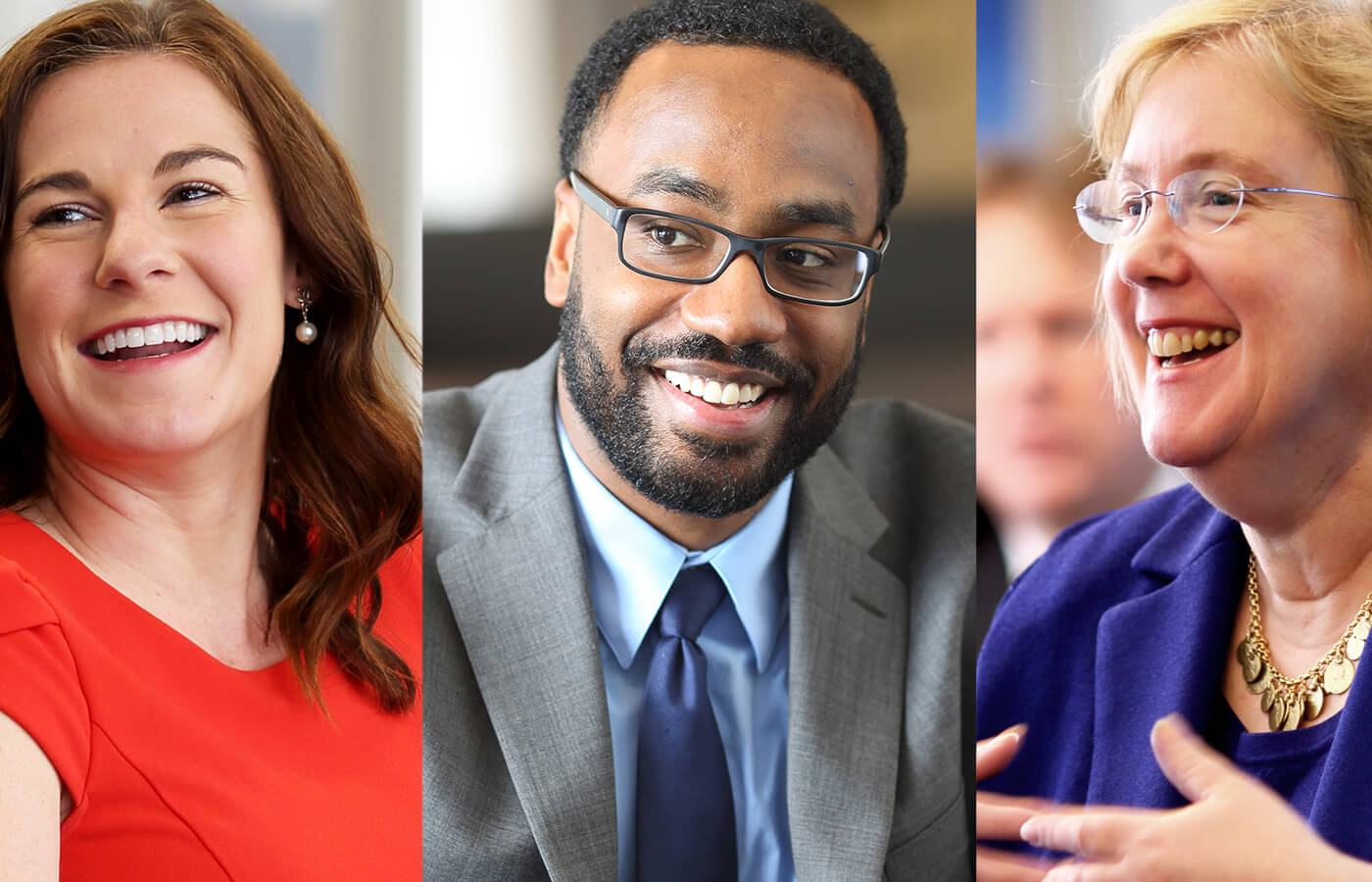
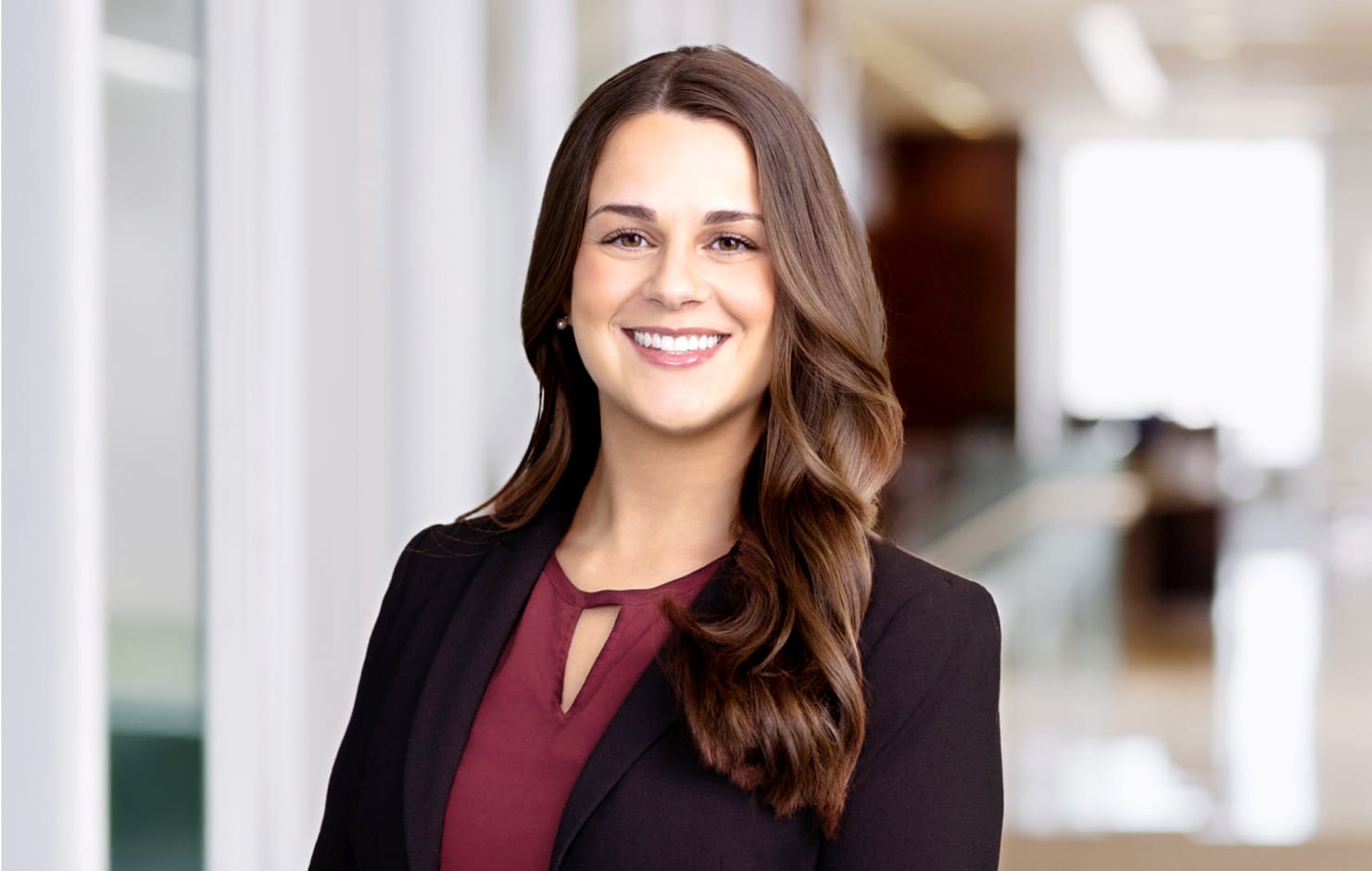
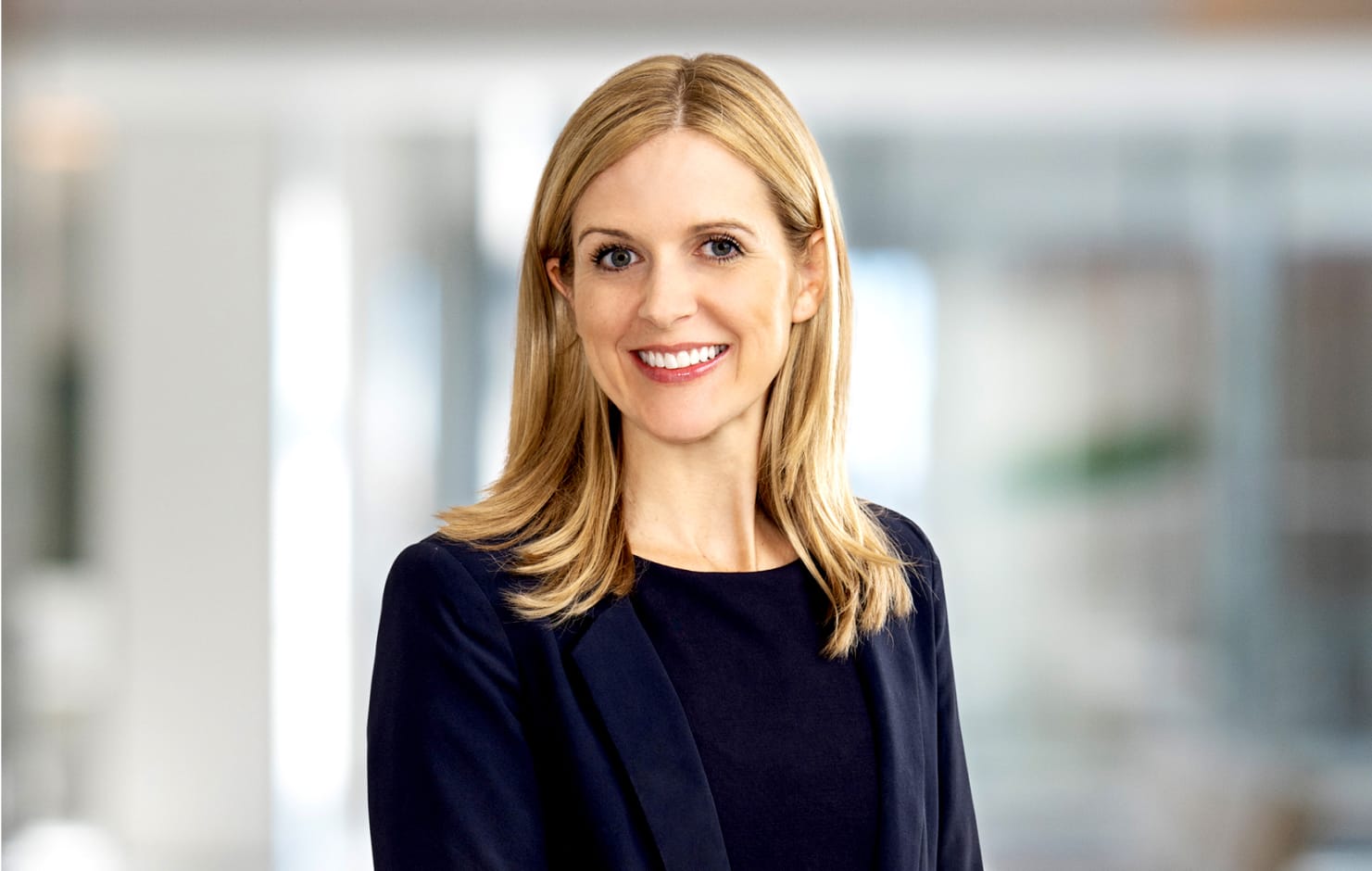
In a world where face-to-face business meetings are often an afterthought, an attorney’s bio portrait carries more weight than ever. So, it’s vital for a lawyer’s portrait to instantly communicate gravitas, convey confidence, and align seamlessly with the identity of their firm.
To help us gain insight into the evolving world of attorney portrait photos, we turned to our friend Greg Lorfing, CEO of Gittings Global, the legal industry portrait photography powerhouse.
About Greg
 Greg’s company, Gittings Global, has shaped the public image of law firms for decades. They have worked with nearly 80% of the AmLaw 200 firms and have photographed more than 120,000 lawyers over the last 10 years. Having worked with so many law firms, Greg has gained a unique perspective on the evolution of legal marketing and how that’s reflected in attorney portraits.
A whole lot, actually. Our job was pretty straightforward back in the day: take a nice, professional-looking headshot. However, today we see ourselves not just as photographers but as creative partners and extensions of the law firm marketing team.
We work closely with law firms (and their designers) to create a portrait style that sets them apart and fits their brand. Once the style is determined, we refine it to be repeatable. It’s about helping them tell their story consistently across their offices and over time.
On the logistics side, marketing departments have enough on their plates. So, we’ve built systems and technologies that help to make the whole thing painless for them. With many years of experience working with hundreds of law firms and thousands of lawyers, we’ve created systems and processes to facilitate scheduling photo shoots, lawyers booking their own timeslots, and automatic image delivery to the client’s SharePoint site.
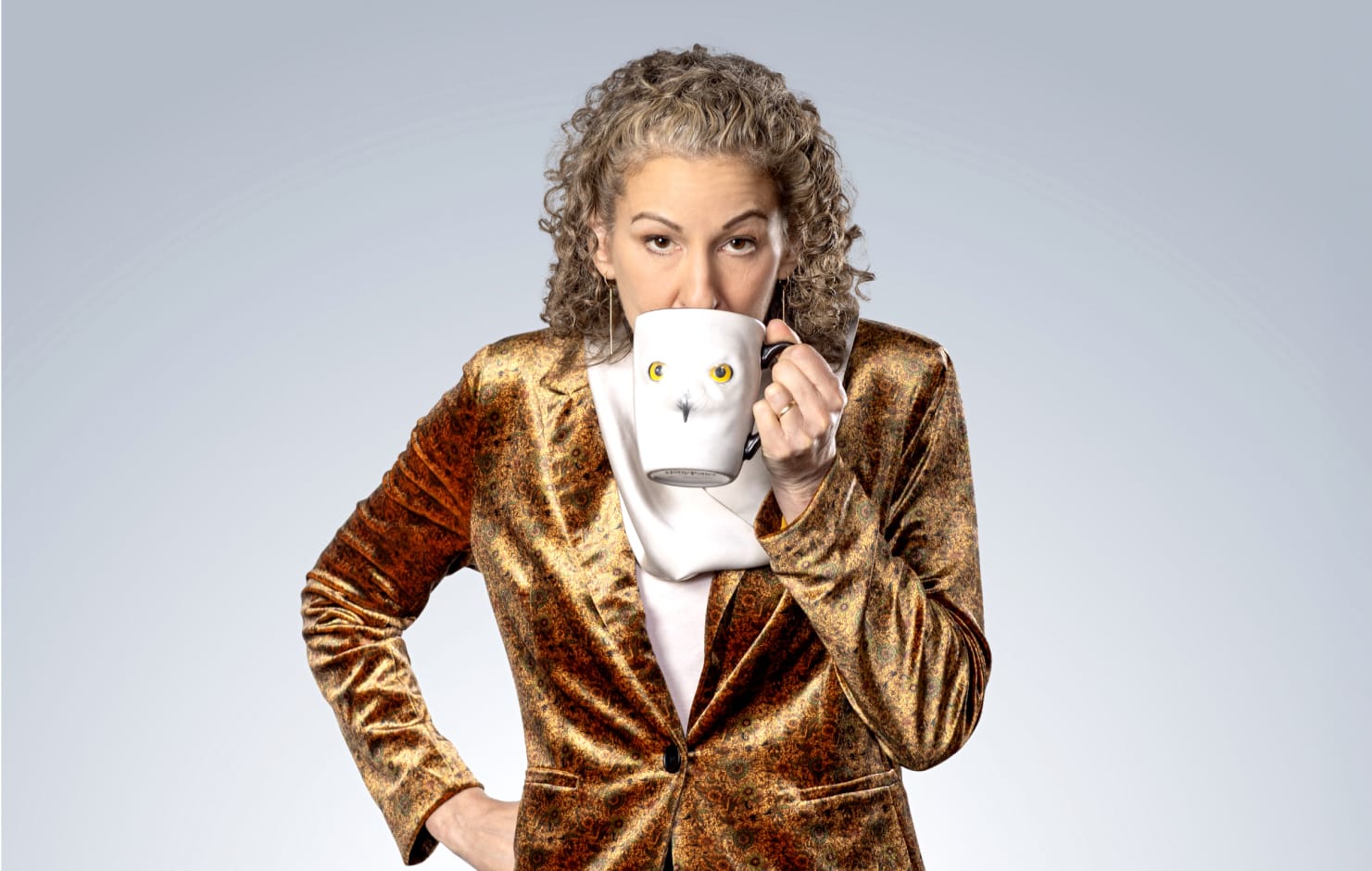
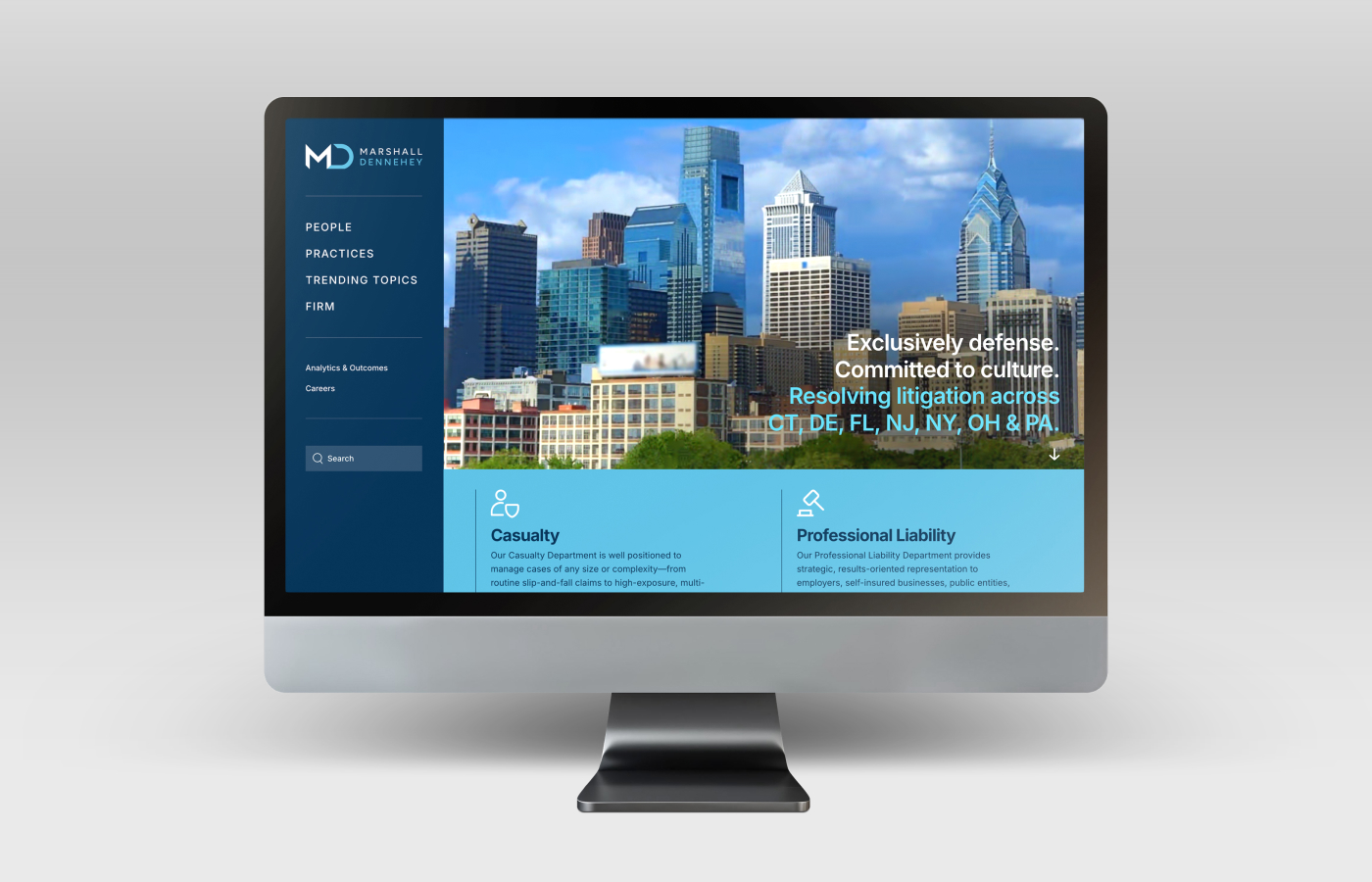
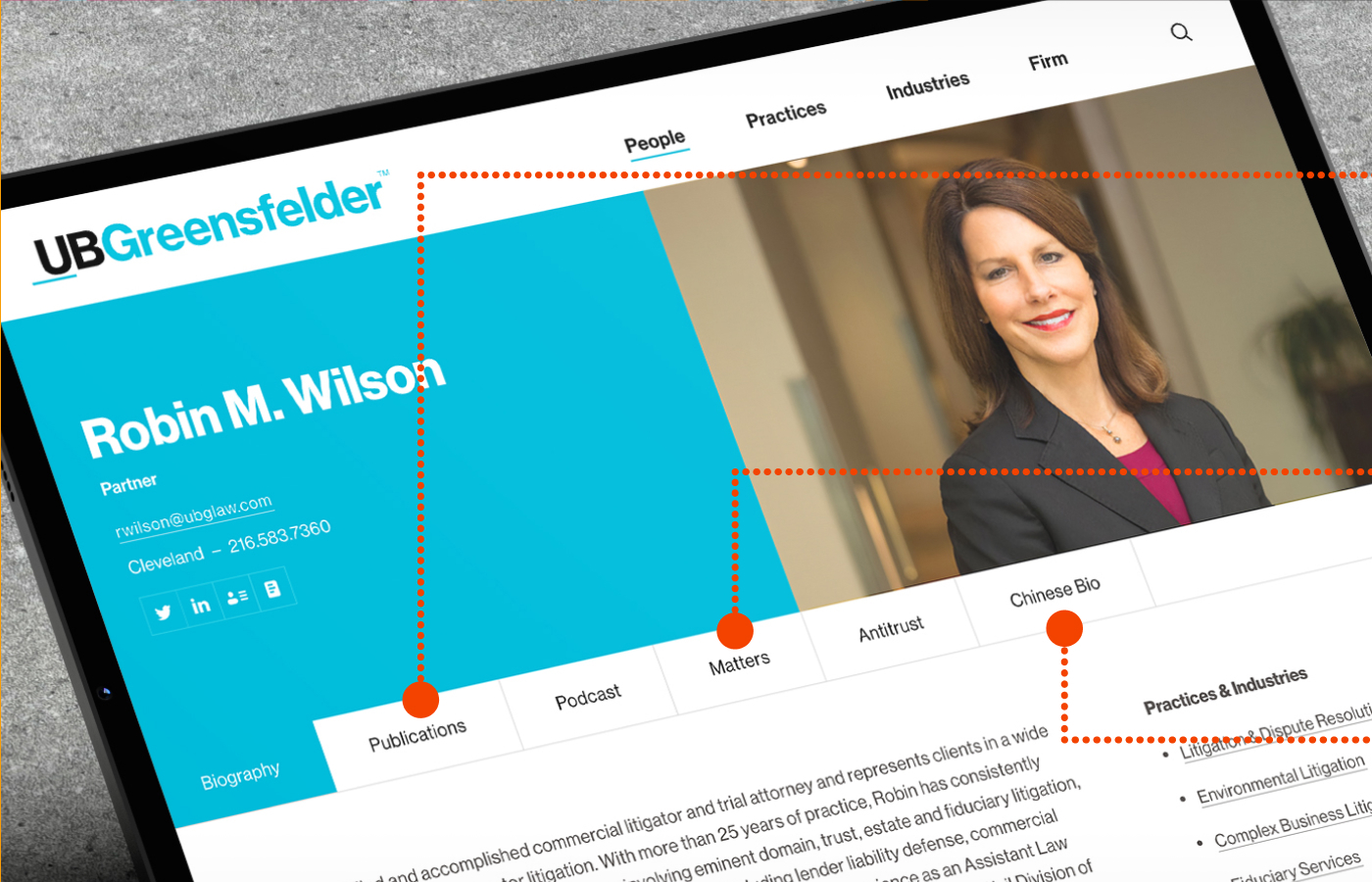
It starts with understanding what’s current. Thanks to agencies like Great Jakes, law firm websites have come a long way! They’re so much more design-forward these days. And bio portraits are now bigger and bolder than ever. Yearbook-style headshots are out! This opens up lots of room for creativity.
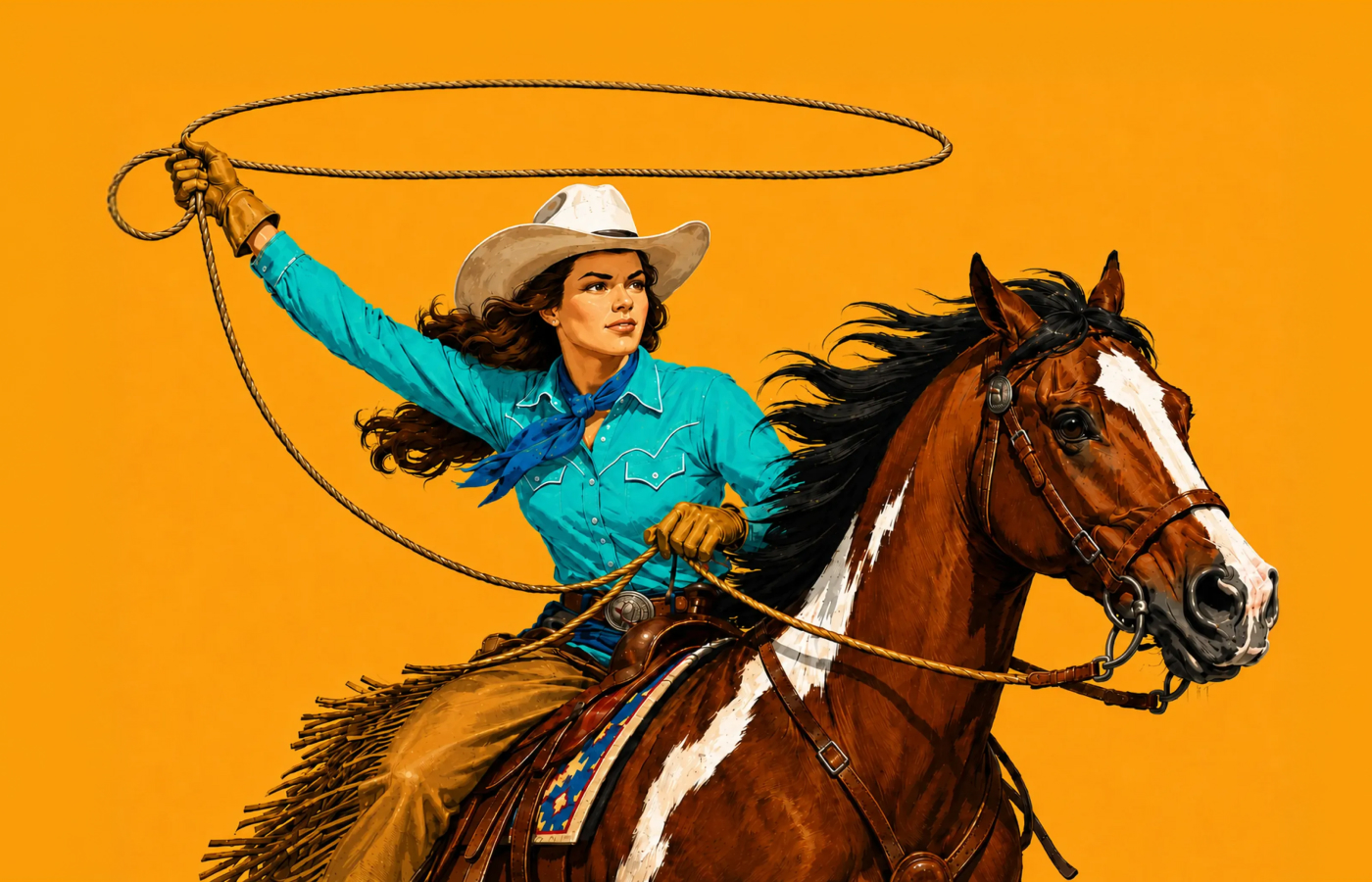
Generally, the process begins with a design firm creating a mood board that expresses a firm’s visual brand. We then develop a single headshot style that embodies the essence of the brand. Next, we create a photographic brief that our team of photographers can follow—and which will result in a consistent portrait style regardless of the location.
As part of our process, we guide clients in making thoughtful decisions about lighting, background, pose, and body language. We also provide wardrobe guidance, often helping clients create wardrobe guidelines that align with and reinforce their brand.
We think about authenticity a lot. The first thing that comes to mind is AI-generated headshots. While some of the results are amazing, there is generally a disconnect when it comes to the eyes. When a photographer captures an image, the magic is the connection between the photographer and the subject, and the result is a glint in the eye that shows that the subject is responding to the photographer. You can’t get that with a series of selfies that most AI systems use.
On the production side of things we retouch all the photos we shoot, but we’re mindful that they remain authentic—and that means that we try to be subtle. Also, there’s a movement away from computer-generated backgrounds to using real backgrounds. This allows firms to show off their office space or city views. It adds that local, authentic feel. That said, real environments can be tricky logistically, which is why we shoot on greenscreen when needed.
If you’re shooting with a cityscape in the background, one day it looks bright and welcoming, and the next it’s gloomy and overcast. That inconsistency can be a headache.
To fix that, we often shoot attorneys on a greenscreen and then apply background plates, which are background images we shoot at the firm’s actual offices. It gives you the local feel without the unpredictability of a true environmental portrait.
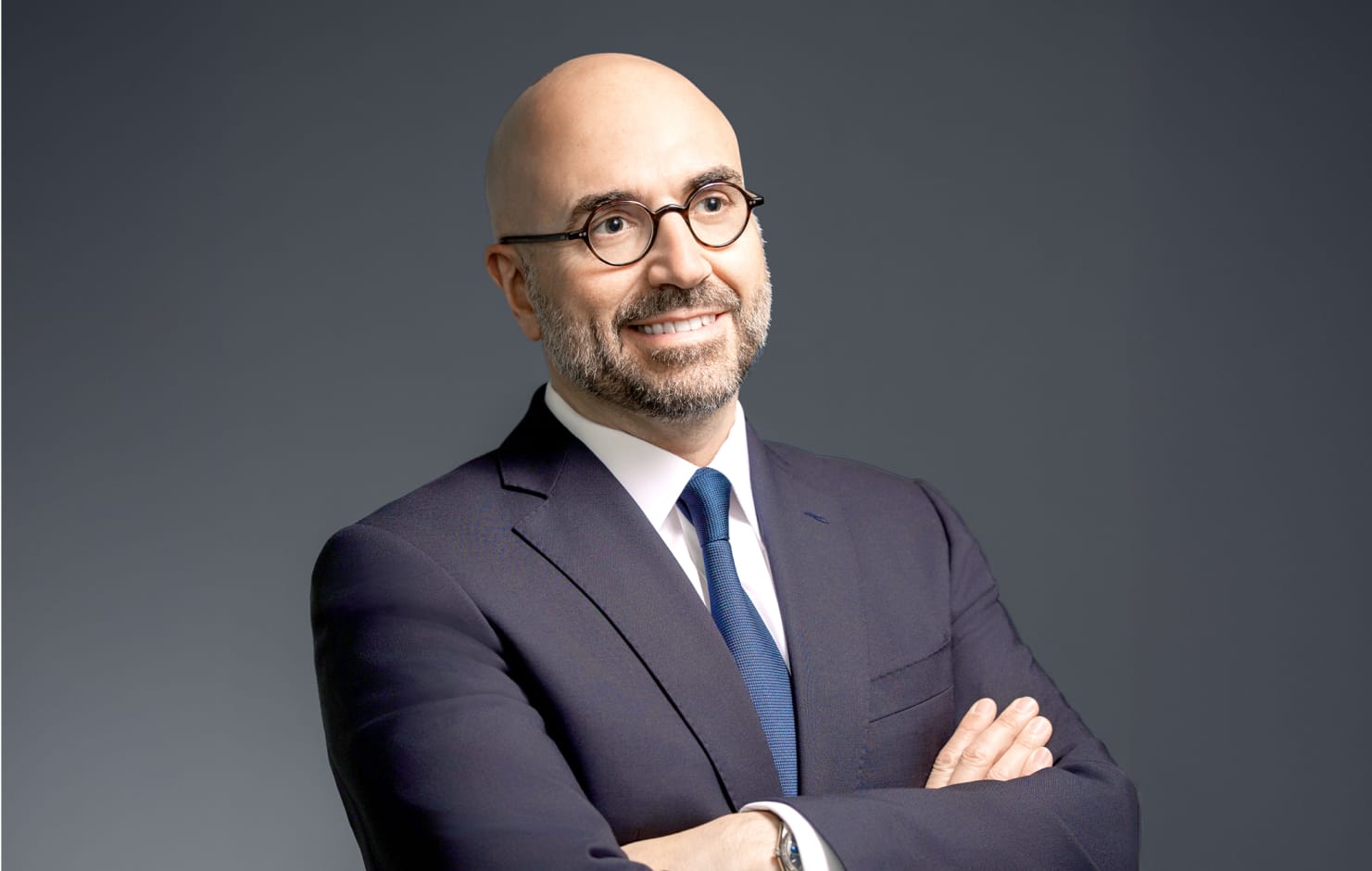
At Gittings Global, we have a “no-jerk” policy. First, every photographer needs to be a good person who connects well with people. It’s important that they can help people feel confident. That’s the secret to a great portrait. Of course, they need to have solid photography skills, and then we can train them in the nuances of the craft. We have a full-time director of photography and an ongoing training program for our team.
It’s all about building trust and doing it quickly. The best photographers make people feel comfortable right away. When someone feels like they’re in good hands, they relax—and the photo shows it.
Coordinating photo shoots across several locations can get messy quickly. This is especially true if you’re using different photographers in each city. Marketing teams don’t want to manage all those moving parts.
That’s where we step in. We’ve built systems and workflows that remove the stress and ensure that the final images look like they came from one cohesive shoot.
Sure. One thing we do is monitor our shoots in near real-time. As images are taken, we review them on the spot—and the firm’s marketing team can see them too. If there’s a lighting issue or something looks off, we can catch it early.
We also offer client dashboards. These let firms track progress. They can see which attorneys have already been photographed, who’s scheduled, and where each office is in the process. It’s like a headshot command center.
We love how firms are getting more creative. That keeps things interesting for us. However, when firms choose a bold and unique look, it becomes imperative to ensure that it can scale. For example, we need to make sure that the shot can be replicated across all offices—and that the pose is flattering for every body type.
This is why we suggest pilot shoots to test the proposed look. A pilot shoot gives us an opportunity to tweak the creative plan, if necessary. For example, one firm wanted portraits on a black background with dramatic lighting—which looked great in the design mockups. But during the pilot shoot, it became apparent that the lighting made people’s wrinkles look more pronounced—which was not the effect they were going for! So, we adjusted the planned lighting to keep the drama but make it more flattering.
By the way, a pilot shoot is an excellent opportunity for the firm to build up internal hype. We’ve had marketers use videos taken on their phones to compile short highlight reels that they send to everyone in the firm to get them excited. It’s fun—and it works.
Two things:
- Get leadership buy-in. If the managing partner says it’s important, people are more likely to show up and take it seriously.
- Skip the makeup artist. Sounds nice in theory, but it slows everything down. Most women prefer doing their own makeup, and men usually don’t want it. Also, our retouchers can handle minor touch-ups afterward—so there’s no need to complicate the day.
It’s changing. We’re seeing fewer ties, and even some firms ditching the jackets. That said, what you wear really depends on you, and the culture of your firm.
Our rule of thumb? Dress like you would for a first meeting with a new client. That usually points people in the right direction.
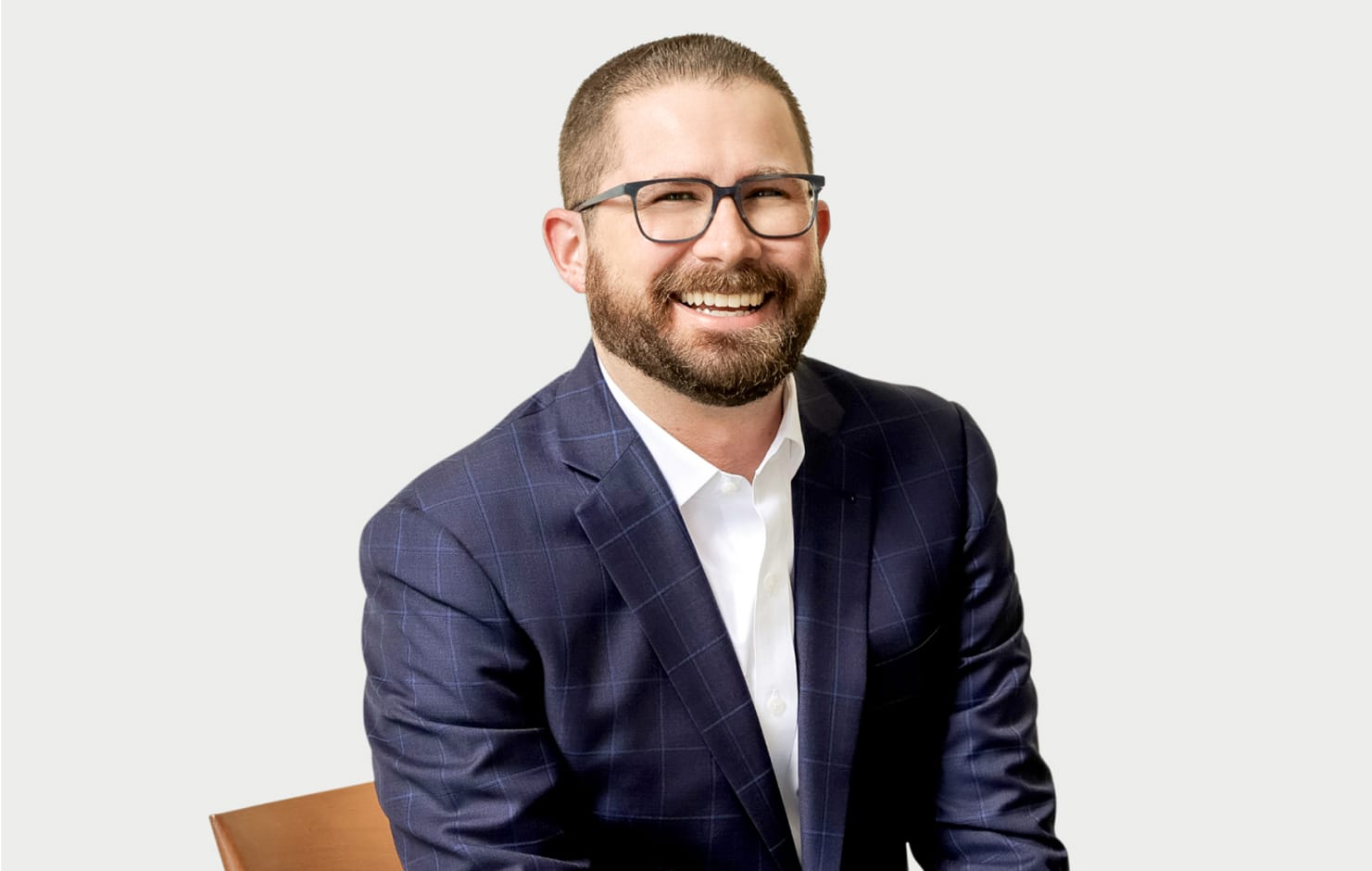
Just remember: your website is your first impression. In many cases, your photo is the first (and maybe only) thing a client will see before they hire you. So, don’t treat it like an afterthought. A strong, authentic portrait goes a long way.
About the Authors
Robert Algeri is a co-founder of Great Jakes, a strategy-first brand and website design agency that partners exclusively with growth-focused law firms. He helps firms clarify their positioning and translate it into modern digital experiences that differentiate them from competitors. Deeply involved in the legal marketing community, Robert is an active member of the Legal Marketing Association (LMA) and has served on a range of boards and committees. He also writes and speaks regularly on law firm branding, websites, and growth, including contributions to industry outlets such as the LMA’s Strategies magazine.
Dion Algeri is a co-founder and Creative Director at Great Jakes. For more than 20 years, he has helped shape modern legal marketing by translating a deep understanding of the legal marketplace into sophisticated digital experiences for law firms. He writes and speaks frequently on legal marketing, including contributions to the American Bar Association’s Law Practice magazine. Dion also serves as editor of the Great Jakes blog, where he shares practical insights on law firm branding and websites.